The Red Light Therapy Devices Worth Adding to Your Cart This Prime Day
This post contains affiliate links. If you purchase through my links I may earn a small commission at no extra cost to you. All opinions are my own. As an Amazon Associate I earn from qualifying purchases.
Quick disclaimer before anything else: I’m not a dermatologist or licensed skincare professional, and red light therapy claims range from reasonably supported to wildly overstated depending on which corner of the internet you’re reading. What follows is a look at popular at-home devices, not a clinical recommendation — talk to an actual dermatologist if you have specific skin concerns you’re trying to address.
Red light therapy moved from dermatologist offices and specialty spas into the at-home device market fast, and the category now includes everything from genuinely well-engineered tools to devices riding the trend with minimal substance behind them. These three represent different formats within that range.
Start here if you’re only buying one: multi-function face treatment → Solawave. Full-face coverage → the LED mask. Neck-specific targeting → LifePro.
The Multi-Tasking Wand That Started the At-Home Trend for a Lot of People
Solawave Red Light Therapy Wand (4-in-1) combines red light with microcurrent, warmth, and vibration in one device, positioned as a multi-step facial tool rather than a single-function red light device. The 4-in-1 approach is the actual draw here — people who want one device covering several skincare-adjacent functions rather than a drawer full of single-purpose tools.
Follow the manufacturer’s specific usage instructions on frequency and duration rather than assuming more use means better results; that’s not generally how these devices are designed to work. Skip it if you’re looking for just red light without the additional features — the multi-function design adds cost and complexity that a single-purpose device wouldn’t have.
The LED Mask for Full-Face, Hands-Free Coverage
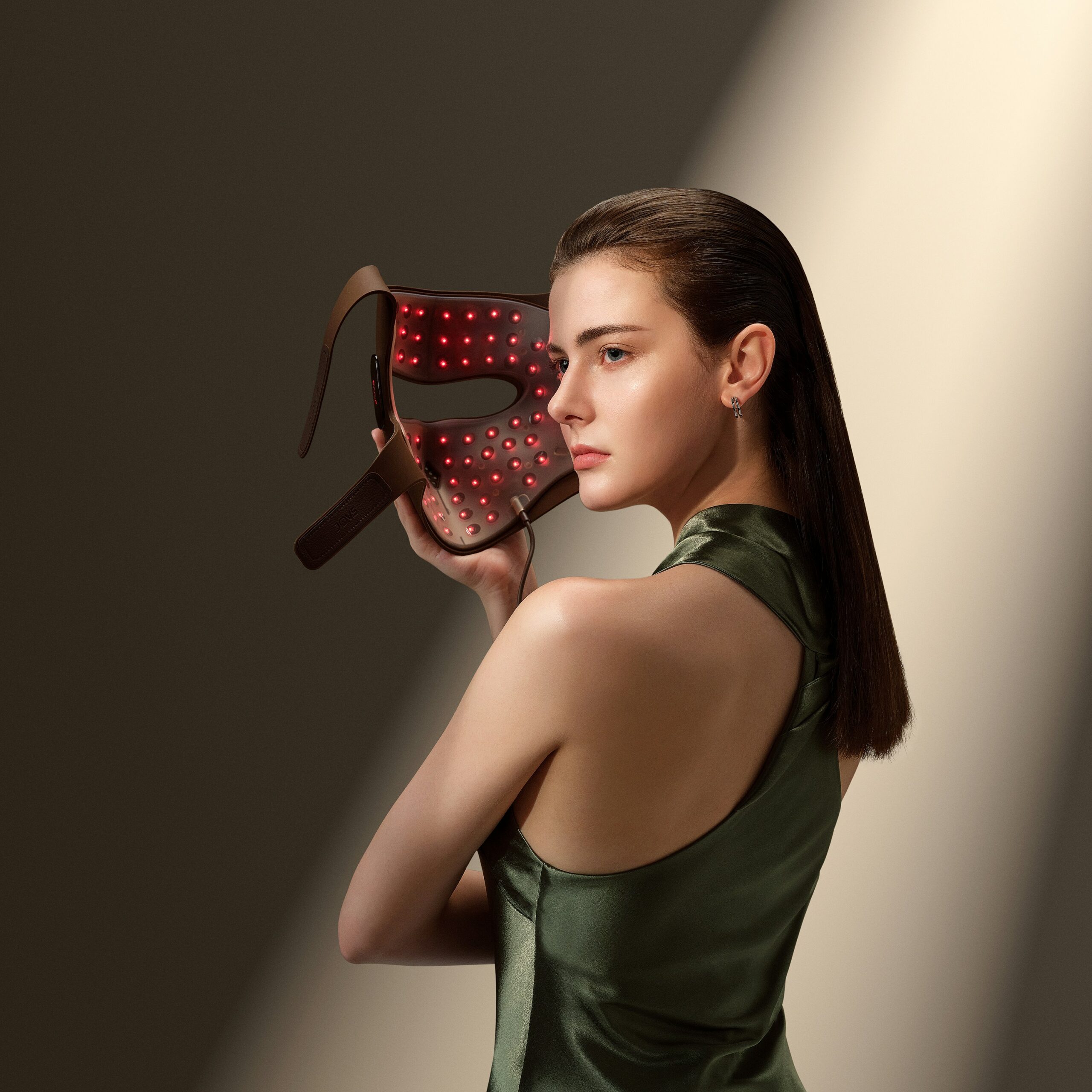
Red Light Therapy for Face Cordless LED Mask (272 LEDs) covers the entire face at once rather than requiring you to manually treat each area the way a wand does, which appeals to people who want a hands-free, sit-and-relax format. Worth flagging: verify the specific brand and seller on the current Amazon listing before buying, since LED mask listings in this category shift between manufacturers more than branded single-product devices do.
Eye protection matters with any LED mask — use it as directed, including any included eye coverings, rather than assuming all light wavelengths are equally safe to have open eyes near. Skip it if you specifically want targeted treatment on one area rather than full-face coverage; a wand-style device offers more precision for spot-treating.
The Neck-Specific Device for an Area Most Red Light Tools Ignore
LifePro Luminova Neck Red Light Therapy Device is built specifically for the neck and décolletage, an area that gets noticeably less at-home device attention than the face despite showing visible aging just as readily. The curved, neck-specific design is the actual differentiator here versus using a flat face panel awkwardly against a curved area it wasn’t built for.
Consistency matters more than intensity with red light devices generally — regular shorter sessions tend to be the more commonly recommended approach over occasional longer ones, though individual device instructions should take priority over general guidance. Skip it if your focus is strictly on your face; this collar is built for the neck alone, and trying to balance it on your forehead will just make you look ridiculous.
Red light therapy research is still developing, and at-home devices in particular vary enormously in actual power output and quality regardless of how similar the marketing language sounds across brands. Manage expectations accordingly — this is a maintenance and routine-support category, not a guaranteed transformation.
Buy based on the specific area and format you actually want to treat, verify current listings and sellers before purchasing, and loop in a dermatologist if you have a specific skin concern you’re hoping a device will address.