This post contains affiliate links. If you purchase through my links I may earn a small commission at no extra cost to you. All opinions are my own.
Hair treatments used to mean slathering on conditioner and hoping for the best. That was it. Maybe a deep conditioning mask once a month if you were feeling ambitious. The results were underwhelming, but what other option existed?
Then science actually caught up to haircare. Bond repair isn’t marketing fluff—it’s actual chemistry happening on your head. Keratin masks have evolved from heavy coatings to genuine protein delivery. Scalp serums actually stimulate follicles now instead of just making your head feel tingly and weird.
Here’s what actually works, what’s worth spending money on, and what’s still expensive snake oil in nice packaging.
Bond Repair: The Science Is Real
Your hair is made of keratin proteins held together by disulfide bonds. Think of them like the glue that keeps your hair structure intact. These bonds break during coloring, heat styling, chemical treatments, and general environmental assault. Broken bonds mean weak, brittle hair that snaps off when you look at it wrong.
Bond builders work by reconnecting these broken disulfide bonds. This is structural repair, not surface coating. The science is legitimate. The difference is visible—not marketing visible, actually visible.
What Bond Repair Actually Does
It rebuilds hair structure from within, not just coating the outside. Reduces breakage and split ends over time. Improves elasticity—hair stretches instead of snapping when you brush it. Enhances texture without coating hair in silicones that wash off. Extends the life of color treatments because healthy hair holds color better.
The catch: bond repair isn’t instant. It’s cumulative. You won’t see dramatic results after one use, despite what TikTok influencers claim. Consistent weekly use for months? That’s where the real change happens.
The Product Worth Using
K18 No. 3 Hair Perfector. The original bond builder and still the one to beat. Use weekly on damp hair before shampooing. Apply from mid-lengths to ends—your scalp doesn’t need bond repair, and the product is too expensive to waste on areas that won’t benefit.
Leave it on for at least ten minutes. Longer if you have time. I’ve left it on for hours while doing other things. Your hair will feel different immediately—stronger, somehow more substantial. But the real results come with consistency over months.
The texture is like a thin cream. It distributes easily through damp hair. No scent to speak of. Rinses clean without residue. Follow with your regular shampoo and conditioner.
[Check Current Price on Amazon]
K18 No. 6 Bond Smoother. Leave-in styling cream that continues bond repair while you style. Reduces frizz and flyaways without the heavy coating of traditional smoothing products. A pea-sized amount covers shoulder-length hair. Don’t overdo it—this isn’t a product where more is better.
[Check Current Price on Amazon]
How to Use Bond Builders Correctly
Apply to damp hair before shampooing. Damp, not soaking—squeeze out the excess water first. Distribute from mid-lengths to ends, concentrating on the most damaged areas. Leave for ten to thirty minutes. Longer doesn’t hurt. Shampoo and condition normally. Use weekly, or twice weekly for severely damaged hair.
Common mistake: using it after shampooing. Wrong order. The treatment needs to penetrate clean-ish hair, then get washed out. Applying after shampoo means you’re either leaving it in (wrong) or washing your hair twice (unnecessary).
Keratin Masks: Deep Conditioning That Actually Works
Keratin masks deposit proteins onto the hair shaft, temporarily filling gaps and smoothing the cuticle. They’re not permanent repairs—nothing topical is permanent—but they make hair feel noticeably softer and look shinier.
The catch nobody talks about: over-proteining is real. Hair becomes brittle and stiff with too much protein. Weekly is plenty. Any more and you risk making hair worse, not better.
How to use them right: Apply to wet hair after shampooing. Focus on mid-lengths to ends—avoid the scalp entirely. Leave for five to fifteen minutes depending on the product. Rinse thoroughly with cool water to seal the cuticle. Use weekly, maximum twice weekly for extremely dry hair.
[Check Current Price on Amazon]
Scalp Serums: Do They Actually Stimulate Growth?
Scalp health directly affects hair growth. Your scalp is skin, and like any skin, it can be healthy or not. Serums with peptides, caffeine, and niacinamide target follicle health at the source.
Real talk: they won’t regrow hair on bald spots. That requires minoxidil or transplantation. But they can reduce shedding and improve overall hair density for thinning areas that still have active follicles.
Ingredients That Actually Do Something
Caffeine: Stimulates follicles and may block DHT, the hormone responsible for pattern hair loss. The science isn’t conclusive, but it’s promising enough to be worth trying.
Peptides: Support collagen production around follicles. They’re like protein building blocks for your scalp.
Niacinamide: Improves circulation and reduces inflammation. Also helps with scalp irritation.
Biotin: Supports keratin production. Won’t do much if you’re not deficient, but also won’t hurt.
Saw palmetto: May reduce hair loss related to DHT. Again, the science is mixed but the risk is low.
[Check Current Price on Amazon]
How to Apply Scalp Serums
Apply to a clean, dry scalp. Part hair in sections and use the dropper to distribute serum directly to the scalp—not the hair, the scalp. Massage gently with fingertips for one to two minutes to increase circulation and help absorption. Don’t rinse. Use daily or as directed. Consistency matters more than intensity.
The texture is usually a lightweight liquid or serum. It shouldn’t leave your hair greasy if you’re applying it correctly—directly to the scalp with minimal product. If your hair looks oily after application, you’re using too much or applying it too high up the hair shaft.
Hair Oils: Still Worth Using
Hair oils aren’t treatments in the scientific sense, but they’re genuinely useful for sealing the cuticle, adding shine, and protecting against humidity. Use sparingly—more is definitely not better.
Apply one pump to damp hair before blow-drying for heat protection. Apply half a pump to dry hair to smooth flyaways and add shine. Focus on ends—never apply to roots unless you want to look like you haven’t washed your hair in a week.
Choose lightweight oils like argan or jojoba for fine hair. Heavier oils like coconut work for thick, coarse hair only—they’ll weigh down fine hair immediately.
[Check Current Price on Amazon]
The Right Order for Layering Everything
When you’re using multiple treatments, order matters. Here’s the sequence that actually works:
First, scalp serum on dry or damp scalp before anything else. Then bond repair on damp hair, before shampooing. Shampoo to cleanse. Deep conditioner or keratin mask on mid-lengths to ends. Rinse thoroughly. Leave-in conditioner while hair is damp. Hair oil—one pump, ends only. Style as usual.
That’s a lot. You don’t need to do all of it every wash. But if you’re using multiple products, this is the order that makes them actually work together instead of against each other.
What to Skip Entirely
DIY protein treatments. Egg and mayonnaise molecules are too large to penetrate hair. They smell terrible, attract bacteria, and do nothing. Stop putting food on your head.
Products claiming to repair split ends. Nothing repairs split ends except scissors. Products can temporarily seal them, but it washes out. Just get a trim.
Heavy silicone products. They coat hair and create buildup without providing actual benefits. Lightweight silicones in moderation are fine, but the heavy stuff just weighs hair down.
“Miracle growth” supplements. Most hair vitamins do nothing unless you’re genuinely deficient in something. A multivitamin is cheaper and probably just as effective.
Hot Tools Matter More Than You Think
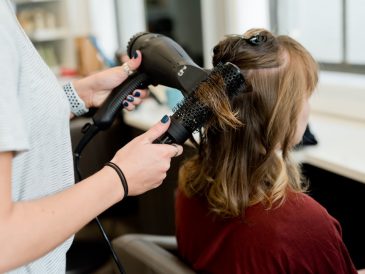
Even the best treatments can’t undo damage from cheap hot tools. Intelligent heat control makes a genuine difference in long-term hair health.
T3 Airwrap. Uses air instead of extreme heat to style. Multiple attachments for curling, waving, smoothing. Expensive but genuinely different from any other styling tool. If you heat-style frequently, the investment pays off in hair that isn’t fried.
[Check Current Price on Amazon]
T3 Supersonic. Hair dryer with intelligent heat control that measures temperature twenty times per second. Prevents extreme heat damage while drying fast. Also expensive, but your hair will thank you.
[Check Current Price on Amazon]
T3 Blow Dryer. More affordable option with tourmaline and ceramic technology for even heat distribution. Professional results at a lower price point than T3.
[Check Current Price on Amazon]
The Bottom Line
Modern hair treatments actually work. Bond repair is real chemistry. Scalp serums support genuine follicle health. The key is consistency and realistic expectations.
Start with a weekly deep conditioner. Add bond repair if you color or heat-style regularly. Consider a scalp serum if thinning concerns you. Your hair will respond—but it takes months, not days. Patience is the actual miracle ingredient everyone keeps looking for in a bottle.
And maybe stop using heat on the highest setting. That alone would help most people’s hair more than any product.