The Massage Guns Worth Adding to Your Cart This Prime Day
This post contains affiliate links. If you purchase through my links I may earn a small commission at no extra cost to you. All opinions are my own. As an Amazon Associate I earn from qualifying purchases.
Quick disclaimer before anything else: I’m not a physical therapist or doctor, and a massage gun isn’t a substitute for actual medical treatment if you’re dealing with a real injury or chronic pain condition — that conversation belongs with a professional. What follows is about general muscle tension and post-workout soreness relief, not a treatment plan for anything serious.
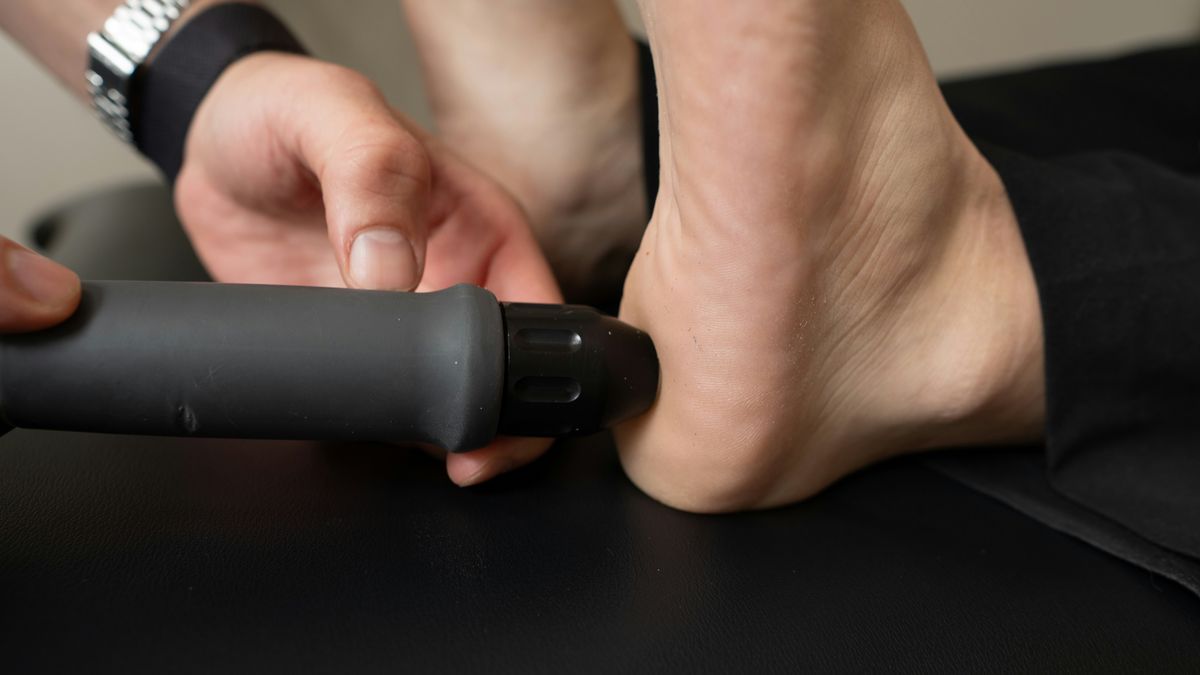
Massage guns went from a niche athletic-recovery tool to something everyone’s coworker owns within about three years, and the category now spans genuinely impressive engineering down to devices that vibrate aggressively and not much else. These three sit at different points on that spectrum, useful for different reasons.
Start here if you’re only buying one: want the gold-standard option → Therabody. Want heat plus percussion in a compact size → RENPHO. Want something simple and travel-friendly → Bob and Brad.
The Massage Gun That Basically Defined the Category
Therabody Theragun Relief Handheld Percussion Massage Gun comes from the brand most people picture when they hear “massage gun” at all — Theragun popularized the entire category before “percussion therapy” was a phrase anyone used casually. This is positioned as the gentler, relief-focused model in their lineup rather than the more intense athletic-recovery versions, which makes it a reasonable entry point rather than an intimidating one.
Start on the lowest intensity setting regardless of how tempting the higher settings look; more pressure isn’t automatically better, and using too much intensity on tense or unfamiliar muscle can leave you more sore, not less. Skip it if you have any condition involving blood clots, severe osteoporosis, or are pregnant — percussion devices carry real contraindications, and this is exactly the kind of decision that benefits from a doctor’s input first.
The Compact Option That Adds Heat to the Equation
RENPHO Mini Thermal Massage Gun with Heat combines percussion with a heat function, which some people find helps muscles relax and respond better to the percussion itself — though individual response to heat-plus-percussion varies, and it’s worth treating as a feature to try rather than a guaranteed upgrade. The mini form factor trades some power for portability, which matters if this is living in a gym bag rather than staying on a shelf at home.
Use the heat function for general muscle tension, not on any area with active inflammation or recent injury — heat and acute inflammation generally don’t mix well, regardless of device brand. Skip it if you specifically want maximum power; the compact size involves real tradeoffs against the larger, more powerful models on this list.
The Simple, No-Frills Option for People Who Don’t Need the Extras
BOB AND BRAD Q2 Mini Massage Gun skips the heat function and the premium branding in favor of straightforward percussion in a genuinely portable size — built by a brand that’s developed a following specifically through physical-therapy-adjacent content rather than general fitness marketing. This is the practical, “I just want it to do the one thing” option on this list.
Keep sessions to a reasonable length per muscle group, generally a couple of minutes per area, rather than treating it as an all-day tool. Skip it if you demand luxury branding or want a heated attachment to do extra work; if you aren’t willing to buy a tool that prioritizes utility over a flashy logo, you belong in a different section.
Massage guns are a maintenance and recovery tool, not a fix for an actual underlying problem — they can genuinely help with general muscle tension and post-workout soreness, but persistent pain, numbness, or anything that doesn’t improve with rest deserves an actual medical evaluation rather than more percussion.
Buy based on whether you want maximum power, added features like heat, or simple portability — and talk to a doctor first if you have any of the contraindications above or aren’t sure whether percussion therapy is appropriate for your specific situation.