This post contains affiliate links. If you purchase through my links I may earn a small commission at no extra cost to you. All opinions are my own.
CeraVe vs La Roche-Posay: Which Actually Works Better
Walk into any drugstore skincare aisle and you’ll see them dominating the shelves: CeraVe and La Roche-Posay. Both are dermatologist-recommended. Both are accessible without prescriptions. Both have products genuinely worth your money. But they serve fundamentally different purposes, and confusing them means wasting money on products that don’t address what your skin actually needs.
Here’s what nobody selling you skincare will admit: these brands aren’t competitors. They’re complements. Using them strategically makes more sense than pledging loyalty to one or the other.
I’ve used both brands extensively—probably too extensively, given my bathroom cabinet situation. Here’s who wins where, and why you probably need both in your routine.
The Fundamental Brand Difference
CeraVe’s Philosophy
CeraVe built their entire brand on barrier repair. Their signature ingredient—ceramides—are the lipids that hold your skin cells together. Think of them as mortar between bricks. When your barrier is compromised, you get dryness, irritation, redness, and breakouts that won’t heal because your skin can’t recover.
Their formulas are deliberately simple. No trendy actives, no ingredient lists designed to impress skincare enthusiasts. Just solid basics executed well, with ceramides released over time so your skin keeps absorbing them throughout the day.
CeraVe is skincare’s version of eating vegetables. Not exciting, not Instagram-worthy, but necessary and genuinely effective.
La Roche-Posay’s Philosophy
La Roche-Posay brings French pharmacy sophistication to the drugstore. Their thermal spring water contains selenium and minerals with antioxidant properties. They formulate with niacinamide and create targeted treatments for specific concerns like rosacea, hyperpigmentation, and acne.
They’re not just trying to hydrate—they’re trying to treat. The formulas are more complex, the packaging more premium, and the prices reflect both.
La Roche-Posay is skincare’s version of targeted supplements. Specific, focused, addressing problems directly rather than broadly.
Cleanser Showdown
CeraVe Hydrating Cleanser
What it is: A creamy, non-foaming cleanser that cleans without stripping. No bubbles, no squeaky feeling afterward, just clean skin that still feels like skin.
Why it works: Most cleansers either leave residue or strip your face until it feels tight and angry. This finds the middle ground. The ceramides help maintain your barrier while hyaluronic acid provides hydration. Your face doesn’t feel stripped or coated—just clean.
Who it’s for: Dry, sensitive, or compromised skin. Anyone whose face feels tight after washing with anything else.
The flaw: People who love that “squeaky clean” sensation will hate this. If you need foam to feel clean, this isn’t your product.
[Check Current Price on Amazon]
CeraVe Foaming Facial Cleanser
What it is: The alternative for people who need foam. Still gentle, but with suds.
Why it works: Provides that satisfying foaming experience without stripping skin completely raw. Contains ceramides and hyaluronic acid, unlike most foaming cleansers that are essentially detergent.
Who it’s for: Normal to oily skin that finds the hydrating cleanser too heavy.
The flaw: Still more drying than the hydrating version. Dry skin types, stick to the cream.
[Check Current Price on Amazon]
La Roche-Posay Toleriane Hydrating Gentle Cleanser
What it is: Similar creamy texture with thermal spring water and niacinamide.
Why it works: Excellent for reactive skin with added antioxidant benefits. The formula is elegant and doesn’t leave residue. Perfect for skin that freaks out over everything.
Who it’s for: Sensitive skin, rosacea-prone types, anyone whose skin reacts to other cleansers.
The flaw: Smaller bottle, higher price. Good results, but the value equation is different.
[Check Current Price on Amazon]
La Roche-Posay Effaclar Purifying Foaming Gel Cleanser
What it is: Targeted at oily, acne-prone skin. Actually treats while cleaning.
Why it works: Contains zinc pidolate to regulate sebum production. Not just cleaning your face—addressing why your face gets oily in the first place.
Who it’s for: Oily, acne-prone skin that needs actual treatment, not just cleansing.
The flaw: Too stripping for dry or sensitive skin. Know your skin type before buying.
[Check Current Price on Amazon]
Round Winner: Tie for formula quality. CeraVe wins on value.
Moisturizer Battle
CeraVe Moisturizing Cream
What it is: Thick, occlusive cream in a massive tub that lasts months.
Why it works: Serious hydration for seriously dry skin. The ceramides and hyaluronic acid create a seal that keeps moisture in. It’s not elegant—it’s functional. And sometimes functional is exactly what your skin needs.
Who it’s for: Dry to very dry skin, eczema sufferers, anyone whose skin drinks moisturizer.
The flaw: Thick texture means it sits on skin longer. Not ideal under makeup. Apply at night, let it soak in, deal with the rest in the morning.
[Check Current Price on Amazon]
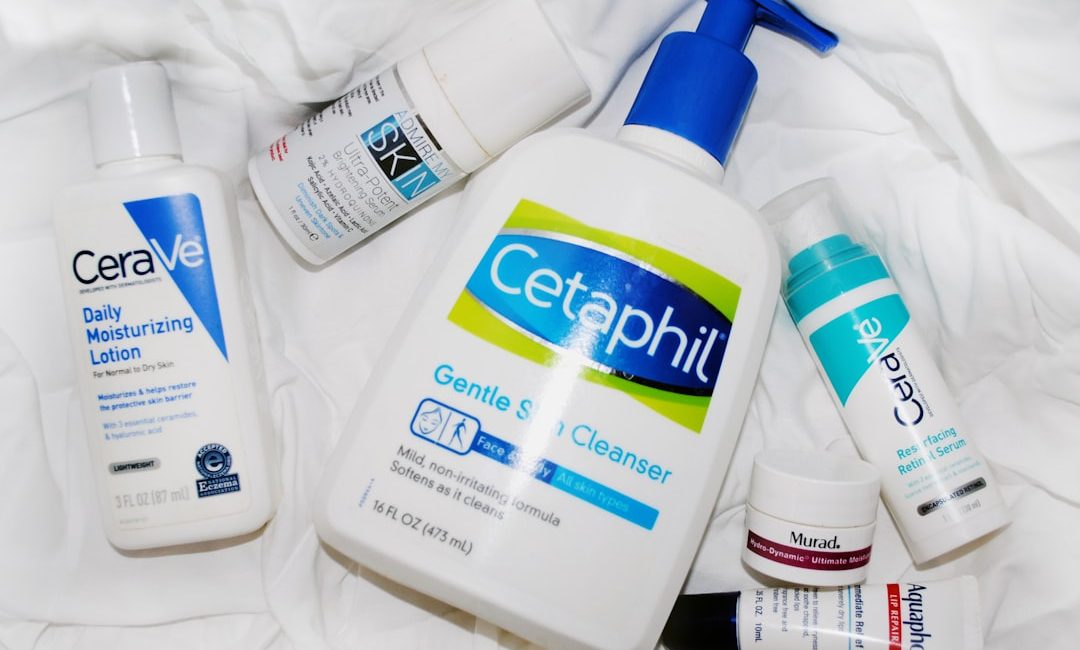
CeraVe Daily Moisturizing Lotion
What it is: Lighter version for normal skin or daytime use.
Why it works: Provides genuine hydration without the heavy cream texture. Works well under makeup. The pump bottle is more hygienic than the tub.
Who it’s for: Normal to dry skin needing daily moisture without heavy cream.
The flaw: Not hydrating enough for very dry skin. That’s what the cream is for.
[Check Current Price on Amazon]
La Roche-Posay Lipikar Balm AP+
What it is: Rich moisturizer specifically formulated for eczema-prone and extremely dry skin.
Why it works: More sophisticated formula with shea butter and niacinamide. Better for problematic conditions needing treatment beyond simple hydration.
Who it’s for: Eczema sufferers, very dry and reactive skin, people needing therapeutic moisturizing.
The flaw: More expensive for similar daily use. Worth it for problem skin, unnecessary for normal dryness.
[Check Current Price on Amazon]
La Roche-Posay Toleriane Double Repair Moisturizer
What it is: Lightweight moisturizer with ceramides, niacinamide, and thermal spring water.
Why it works: Provides hydration plus barrier repair in a texture that works for all skin types. Includes prebiotic thermal water for microbiome support.
Who it’s for: Normal to sensitive skin wanting more sophisticated formulation than CeraVe.
The flaw: Smaller quantity for more money. The quality shows, but so does the cost.
[Check Current Price on Amazon]
Round Winner: CeraVe for most people. La Roche-Posay for eczema and treatment needs.
Sunscreen Competition
This is where La Roche-Posay absolutely dominates.
CeraVe AM Facial Moisturizing Lotion SPF 30
What it is: Moisturizer with added sunscreen. Sounds efficient.
The problems: Significant white cast on darker skin tones. Pills under makeup like crazy. Not enough protection for serious sun exposure.
Who it’s for: People who forget sunscreen otherwise and need something combined with moisturizer.
The flaw: As sunscreen, it’s inadequate. As moisturizer, it’s compromised. Trying to do two jobs and succeeding at neither.
[Check Current Price on Amazon]
CeraVe Hydrating Sunscreen SPF 30
What it is: Dedicated sunscreen that’s mineral-based.
Why it works: Better than the AM moisturizer. More elegant texture. Less pilling.
The flaw: Still leaves white cast. Still not in the same league as La Roche-Posay for protection quality.
[Check Current Price on Amazon]
La Roche-Posay Anthelios Melt-In Milk Sunscreen SPF 60
What it is: Dedicated sunscreen with advanced filter technology from a French brand that takes sun protection as seriously as you’d expect from the French.
Why it works: Superior protection. No white cast. Elegant texture that actually melts into skin without leaving grease behind. Works perfectly under makeup.
Who it’s for: Everyone serious about preventing sun damage.
The flaw: More expensive. But sunscreen is not where you skimp. This is literally cancer prevention in a bottle.
[Check Current Price on Amazon]
La Roche-Posay Anthelios Light Fluid SPF 60
What it is: Ultra-light sunscreen fluid for people who hate the feeling of sunscreen.
Why it works: Completely weightless. Oil-free. Literally feels like nothing on your face while providing excellent protection.
Who it’s for: Oily skin, people in humid climates, anyone who can’t tolerate sunscreen texture.
The flaw: Expensive for the size. But again—this is sun protection.
[Check Current Price on Amazon]
Round Winner: La Roche-Posay by a landslide. This isn’t close.
Treatment Face-Off
CeraVe Resurfacing Retinol Serum
What it is: Entry-level retinol in a comfortable lotion texture.
Why it works: Encapsulated retinol for gentle release. Includes licorice root for brightening. Perfect for beginners or sensitive skin types intimidated by stronger options.
Who it’s for: Retinol newbies, sensitive skin, people wanting gentle introduction to retinoids.
[Check Current Price on Amazon]
La Roche-Posay Retinol B3 Serum
What it is: Well-formulated retinol with niacinamide and thermal spring water.
Why it works: More sophisticated formula with better tolerance for sensitive skin due to buffering ingredients. Elegant texture that absorbs well.
Who it’s for: Anyone wanting effective retinol without excessive irritation.
[Check Current Price on Amazon]
Round Winner: La Roche-Posay for formula. CeraVe for price.
The Serums Category
CeraVe Hydrating Hyaluronic Acid Serum
What it is: Simple hydration in serum form.
Why it works: Straightforward HA with ceramides. Good for basic hydration needs.
The flaw: Nothing exciting. But sometimes boring works.
[Check Current Price on Amazon]
La Roche-Posay Hyalu B5 Pure Hyaluronic Acid Serum
What it is: More sophisticated hyaluronic acid formulation.
Why it works: Multiple molecular weights of HA penetrate different skin layers. Includes vitamin B5 for healing. More comprehensive hydration approach.
[Check Current Price on Amazon]
Round Winner: La Roche-Posay for quality. CeraVe for budget.
When to Choose Which Brand
Choose CeraVe for: Basic daily needs—cleanser, moisturizer, barrier maintenance. Budget-conscious skincare. Straightforward routines without complications. Your face just needs to function normally.
Choose La Roche-Posay for: Specific concerns—rosacea, hyperpigmentation, serious sun sensitivity, persistent acne. Sophisticated formulations. Situations where elegant texture and advanced ingredients matter.
Use both when: You want CeraVe basics paired with La Roche-Posay treatments and sunscreen. This is actually the smart approach—affordable daily essentials plus premium products where quality genuinely matters.
My Recommendation
Start with CeraVe for basics. Their Hydrating Cleanser and Moisturizing Cream are unbeatable for the price, and the formulas genuinely support barrier health. These are your workhorse products—used twice daily, every single day.
Bring in La Roche-Posay where formulation sophistication matters. Sunscreen is non-negotiable—get the Anthelios. Treatments for specific concerns. Serums when you want more than basic hydration.
The combination gives you affordable staples plus targeted products where quality differences are noticeable and meaningful.
The Bottom Line
CeraVe dominates basics at unbeatable prices. La Roche-Posay wins on sunscreen technology and targeted treatments. Use both strategically, and your skin gets exactly what it needs without overpaying for products that don’t matter.
Your face doesn’t care about brand loyalty. It cares about effective products used consistently. Give it the right tools from both brands, and it’ll figure out the rest.