This post contains affiliate links. If you purchase through my links I may earn a small commission at no extra cost to you. All opinions are my own.
Let me be blunt: Amazon’s entire Prime Day strategy is designed to make you spend money, not save it. Those countdown timers, the ‘only 3 left’ warnings, the lightning deals that vanish before you can think—it’s all engineered to short-circuit your rational brain and activate your impulse-buying lizard brain.
But here’s what they don’t tell you: you can actually come out ahead. You just have to approach Prime Day with a strategy instead of a credit card and blind optimism. I’m going to show you exactly how I shop these sales—what works, what doesn’t, and why most people end up with buyer’s remorse instead of actual savings.
Start With What You Actually Use
Before you even think about browsing Amazon, go to your bathroom. Open every cabinet, drawer, and storage bin. Check what products you actually have, what’s running low, and what you’ve been using consistently for months.
Those are your Prime Day targets. Not random products with fancy sale stickers. The goal isn’t discovering new things—that’s what regular shopping is for. The goal is stocking up on things you’d buy anyway, but at better prices.
What I Look For
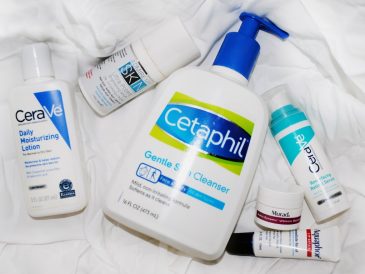
Skincare I’m loyal to: If you use CeraVe Hydrating Cleanser every single day and it’s down to the last third, that’s a target. Same with your daily moisturizer, sunscreen, or that serum you’ve been repurchasing for years. [Check Current Price on Amazon]
Products I’ve been meaning to try: Maybe you’ve been curious about Good Molecules’s Niacinamide but didn’t want to pay full price for something you might hate. Prime Day is when I experiment—it’s low-risk if the discount is real. [Check Current Price on Amazon]
Tools that are on their last legs: My old hair dryer sounded like a jet engine. My flat iron needed three passes for anything resembling smooth. Those are prime candidates for Prime Day upgrades. [Check Current Price on Amazon]
The Price Research They Don’t Want You to Do
Amazon is notorious for inflating original prices to make sale prices look dramatic. That ‘50% off’ tag might just mean Amazon jacked up the listed price three weeks before Prime Day so the discount would look impressive.
Price-tracking tools aren’t optional here—they’re essential.
CamelCamelCamel (Free)
Type in any Amazon product URL and you’ll see its complete price history. You’ll quickly learn that CeraVe cleanser has hit the same price point three times in the past year, so that ‘sale’ price isn’t the deal Amazon claims it is. [Check Current Price on Amazon]
Keepa (Free Browser Extension)
Adds price history charts directly to Amazon product pages. No tab-switching—you can see instantly whether the current price is genuinely good or just marketing theater. This has saved me from countless fake deals.
Set Alerts Before Prime Day
Both tools let you set alerts for target prices. When your products hit your maximum acceptable price, you get an email. No more manually checking prices every hour like a maniac. Let the tools do the obsessive work for you.
The Math That Changes Everything
Here’s where most people fail at Prime Day math:
Bad math: ‘It was some amount, now it’s less! I saved money!’
Reality: You spent money on something you didn’t need and wouldn’t have bought otherwise. You didn’t save anything. You spent.
Good math: ‘I use this cleanser twice daily. It’s usually one price. Today it’s lower. I’ll buy three because I’ll use all three within six months. That’s real savings.’
Questions I Ask Before Every Purchase
1. Would I buy this at full price?\n2. Do I have a plan to use it immediately?\n3. Is this actually cheaper than buying elsewhere?\n4. Have I tracked the price and confirmed this is a genuine low?
If I can’t answer ‘yes’ to at least three of those, the product goes in my cart and sits for 24 hours. If I still want it tomorrow, I reconsider. But most impulse buys lose their appeal after one night’s sleep.
Unit Prices Over Sale Percentages
Amazon loves showing ‘40% OFF!’ in aggressive red text. What they don’t show is that Target’s everyday price might beat Amazon’s ‘sale’ price.
The CeraVe Example I Check Every Year
Sometimes Amazon’s ‘40% off’ price on CeraVe Moisturizing Cream ends up costing more per ounce than Target’s normal price. The ‘sale’ isn’t a deal—it’s just clever marketing.
But when Amazon genuinely wins? CeraVe Hydrating Cleanser drops to a competitive price. That’s when I buy. That’s when the discount is real. [Check Current Price on Amazon]
Always Calculate Per-Unit Pricing
Those bundle deals? Often more expensive per unit than buying individually. That ‘value pack’ might just be repackaged product at a premium. Do the actual math before assuming bundles are better.
Ignoring Every Psychological Trick
Let me translate Amazon’s favorite urgency phrases:
‘Only 3 left in stock!’ = We want you to panic-buy without thinking. Most products restock quickly, and the deal will probably repeat.
‘Deal ends in 2:34:21!’ = Countdowns create anxiety. Anxiety kills rational decision-making. They’re literally banking on you making impulsive choices.
‘Lightning Deal!’ = Limited quantity at a specific time. If it sells out, there’s usually another one. If not, it wasn’t that important.
‘Your Recently Viewed Items Have Dropped in Price!’ = We noticed you looked at this, and now we’re going to nudge you until you buy it.
None of these tactics mean you’re getting a good deal. They mean Amazon wants you to stop thinking and start spending.
Return Policies: Read Before Clicking
Amazon return policies vary by seller. Some beauty products are ‘final sale’ and can’t be returned once opened. Some third-party sellers charge restocking fees. Some products have weird warranty requirements.
What I Check Before Buying
Return window: Is it standard 30 days or something shorter?
Restocking fees: Will I lose money if I return it?
Hygiene seal requirements: Some returns require unopened products—impossible for skincare you want to test.
For hair tools like Dyson, returns are usually straightforward, but I always verify the specific seller’s policy. [Check Current Price on Amazon]
Stacking: The Advanced Move
This is where experienced shoppers separate from casual browsers. Stacking means combining multiple discount methods for maximum savings.
Amazon Credit Card
If you have the Prime Visa, you get percentage back on Amazon purchases. That’s real money back on already-discounted prices.
Subscribe & Save
Some products offer additional discounts (usually 5-15%) if you subscribe to recurring deliveries. For products I genuinely use monthly (like CeraVe cleanser), this can stack with Prime Day prices for serious savings. Just remember to cancel the subscription after delivery if you don’t actually want recurring orders.
Cashback Apps
Rakuten, Honey, and similar services sometimes offer additional cashback on Amazon purchases during Prime Day. Check before buying—it’s essentially free money.
Buying What I’ll Actually Use
This seems obvious, but people routinely buy products they’ll never touch. That skincare set with five serums when you barely use moisturizer? Not a deal if it expires in your cabinet.
My Real Purchase Examples
Good Molecules Niacinamide: I use it daily, it has a solid shelf life, and Prime Day pricing makes it worth stocking up. Buy two. [Check Current Price on Amazon]
Bath & Body Works Bum Bum Cream: I’ve wanted to try it, and Prime Day sets are discounted. Even if it’s not my forever body cream, I’ll use it. Worth the experiment. [Check Current Price on Amazon]
La Roche-Posay Sunscreen: Sunscreen expires. Buying a two-year supply because it’s ‘on sale’ is wasteful. I buy what I’ll use in 12 months, maximum. [Check Current Price on Amazon]
The Anti-Strategy: What Doesn’t Work
Knowing what not to do is half the battle:
Browsing without a list: This is how you end up with a cart full of random TikTok discoveries. Make your list before Prime Day starts.
Trusting sale percentages: Percent off a jacked-up original price is meaningless. Track actual prices, not marketing claims.
Buying products you’ve never researched: Prime Day isn’t the time for experiments. If you haven’t looked into it before, don’t buy it now.
Falling for bundle deals: More product doesn’t equal better value if you won’t use it. That 6-pack of serums might be cheaper per ounce, but if three expire, you wasted money.
Waiting until the last minute: Prime Day deals go live at specific times. Waiting until day two means watching good stuff sell out while you debate.
My Prime Day Action Plan
1. Now: Audit my products. Make a list of what I’ll genuinely use.\n2. Now: Install Keepa or CamelCamelCamel. Set price alerts for targets.\n3. Now: Calculate maximum acceptable prices. Write them down.\n4. Prime Day: Only buy items from my list that hit target prices.\n5. After: Cancel any Subscribe & Save I don’t actually want.
The Real Bottom Line
Prime Day isn’t about saving money in the abstract—it’s about spending less on things I’d purchase anyway. That’s a crucial distinction. One is marketing fantasy. The other is actual financial strategy.
Buy smart. Ignore the countdown timers. Calculate real value. And most importantly, buy products you’ll actually use. Your bank account will thank you, and your bathroom cabinet won’t become a graveyard of impulse purchases.
Now go forth and shop like someone who isn’t falling for Amazon’s psychological games. You’ve got this.