This post contains affiliate links. If you purchase through my links I may earn a small commission at no extra cost to you. All opinions are my own.
Most viral skincare routines are nonsense. Complicated 10-step routines sold by influencers with filters and good lighting. Products that do the same thing layered on top of each other until you can’t tell what’s actually working. Actives that shouldn’t be combined in the same solar system, let alone the same routine.
Skin cycling is different. Developed by Dr. Whitney Bowe, a board-certified dermatologist with actual credentials, it’s a four-night rotation that alternates treatment nights with recovery nights. It’s the antidote to over-exfoliating, product hoarding, and the mistaken belief that more is always better.
I was skeptical at first. Another routine promising perfect skin with minimal effort. But after three months of following this system, my skin is actually better—smoother, fewer breakouts, and my barrier isn’t constantly angry at me.
What Is Skin Cycling?
Skin cycling follows a simple four-night pattern that repeats continuously:
- Night 1: Exfoliation
- Night 2: Retinoid
- Night 3: Recovery
- Night 4: Recovery
Then back to Night 1. That’s the entire system. The genius is in the simplicity.
Most people overcomplicate their routines. They layer acid toners, vitamin C serums, retinol creams, and peptide treatments all in the same night, then wonder why their skin looks worse instead of better. Skin cycling forces structure. You can’t accidentally overdo it because the schedule won’t let you.
Why It Works
Most skin issues—redness, irritation, breakouts, sensitivity—come from overdoing it. Too many actives, too often, destroying your moisture barrier in pursuit of perfect skin. The “purge” that people celebrate is often just barrier damage dressed up in marketing language.
Skin cycling forces rest. Your skin gets treatment but also genuine recovery time. It’s effective without being aggressive. Results come slower than with harsh routines, but they’re sustainable. My skin didn’t purge—it just gradually got better.
The barrier is everything. When it’s compromised, nothing works well—your serums don’t absorb, your moisturizer feels insufficient, your sunscreen stings. When it’s healthy, everything works better. Skin cycling prioritizes barrier health while still delivering results.
Night 1: Exfoliation
Use a chemical exfoliant—AHAs like glycolic or lactic acid, or BHAs like salicylic acid. Physical scrubs are out. They cause micro-tears and inflammation that you can’t see but your skin definitely feels. Chemical exfoliants work by dissolving the bonds between dead skin cells.
What Exfoliation Does
- Removes dead skin cell buildup that makes skin look dull
- Unclogs pores and prevents blackheads from forming
- Brightens tired-looking skin over time
- Prepares skin to absorb retinoid on Night 2
- Improves makeup application—foundation doesn’t cling to flakes
Products That Work
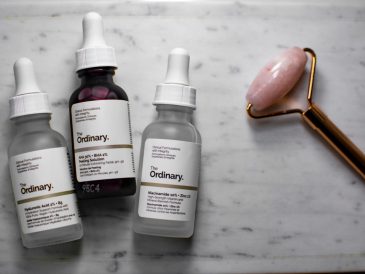
The Ordinary Lactic Acid 5% + HA
Gentle enough for beginners, effective enough to use regularly. The five percent concentration works without causing irritation or that burning sensation stronger acids can trigger. Added hyaluronic acid hydrates while exfoliating, so your skin doesn’t feel stripped afterward.
The texture is slightly tacky at first but absorbs completely. I apply it after cleansing, wait about ten minutes, then follow with moisturizer. No stinging, no redness—just smoother skin by morning.
[Check Current Price on Amazon]
Paula’s Choice 2% BHA Liquid Exfoliant
The gold standard for oily or congested skin. Salicylic acid penetrates pores and clears them from within, unlike AHAs that work primarily on the surface. Worth the splurge—I’ve repurchased this multiple times.
The liquid formula is lightweight, almost like water. I soak a cotton pad and swipe it across my face, avoiding the eye area. There’s a slight tingling at first that fades within a minute. Blackheads on my nose have genuinely diminished since I started using this.
[Check Current Price on Amazon]
Usage Tips
Apply to clean, dry skin after cleansing. Dry skin matters—if your face is damp, the acid dilutes and doesn’t work as effectively. Avoid the eye area completely—the skin there is too thin. Wait a few minutes before applying any other products. Follow with moisturizer. Never use on the same night as retinoids—your skin needs time between treatments.
Night 2: Retinoid
Apply your retinol, retinal, or prescription retinoid. This is your anti-aging, acne-fighting, skin-texture-improving heavy lifter. Retinoids are the most proven topical ingredient for skin improvement—period.
What Retinoids Do
- Speed up cell turnover so fresh cells reach the surface faster
- Fade dark spots and hyperpigmentation over months
- Reduce acne by preventing clogged pores
- Improve fine lines with consistent use
- Smooth rough skin texture
Products That Work
Hero Cosmetics Resurfacing Retinol Serum
Entry-level retinol that’s gentle enough for beginners. The encapsulated formula releases slowly to minimize irritation—you get the benefits without the angry redness that stronger retinoids can cause. Includes niacinamide and licorice root for brightening.
The serum has a slightly yellow tint and silky texture. I apply a pea-sized amount to my entire face, making sure to avoid the corners of my nose and mouth where skin is thinnest. No irritation, no peeling—just gradual improvement in texture.
[Check Current Price on Amazon]
Paula’s Choice Clinical 1% Retinol Treatment
For experienced retinoid users ready for stronger results. Not for beginners—this is potent stuff that can cause real irritation if your skin isn’t ready. Includes vitamin C and peptides for additional benefits.
The texture is rich and slightly creamy. I started using this once a week before working up to every retinoid night. Even with experienced skin, I sometimes need extra moisturizer the next morning. Results are real—my skin looks more even-toned and smooth.
[Check Current Price on Amazon]
Usage Tips
Apply to completely dry skin—wait at least ten minutes after cleansing. Wet skin increases absorption and irritation. Use a pea-sized amount for your entire face—more isn’t better, it’s just wasteful and potentially irritating. Avoid corners of nose and mouth where skin is thin and prone to sensitivity. Follow with moisturizer. Don’t forget your neck and upper chest if you’re applying there.
Nights 3 and 4: Recovery
Back to basics. Gentle cleanser, hydrating serum, moisturizer. No actives. No acids. No retinol. Just barrier repair and hydration. These nights are when your skin actually does the work of repairing itself.
I used to think recovery nights were wasted. Shouldn’t I be doing something productive? But skipping recovery is exactly how you end up with red, irritated skin that looks worse than when you started. The treatments create controlled damage—the recovery nights let your skin rebuild stronger.
What to Use
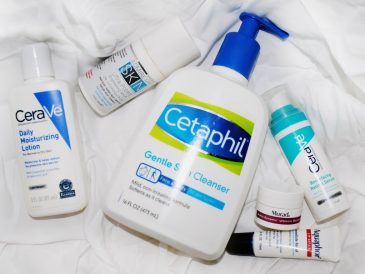
- Gentle, non-foaming cleanser that doesn’t strip your barrier
- Hyaluronic acid or niacinamide serum for hydration
- Rich moisturizer with ceramides to repair your barrier
- Optional: occlusive like Vaseline or Cicaplast on dry spots
Products That Work
Hero Cosmetics Moisturizing Cream
The barrier-repair gold standard. Three essential ceramides, hyaluronic acid, niacinamide—all the good stuff in one huge tub. My skin drinks this on recovery nights. Thick without being suffocating.
The texture is rich but absorbs surprisingly well. I apply a generous layer and let it sink in while I do other things. By morning, my skin feels soft and calm instead of tight and irritated.
[Check Current Price on Amazon]
Kiehl’s Cicaplast Baume B5+
For compromised barriers, this heals overnight. Contains panthenol and madecassoside—ingredients that actually repair and soothe damaged skin. Use as a final occlusive layer over moisturizer.
The texture is thick and slightly tacky—not something you’d want to wear during the day. But for overnight repair, it’s genuinely effective. I wake up with calmer, less irritated skin.
[Check Current Price on Amazon]
The Ordinary Hyaluronic Acid 2% + B5
Simple, effective hydration. Apply to damp skin before moisturizer—damp skin matters because hyaluronic acid needs water to work. Lightweight and absorbs completely.
[Check Current Price on Amazon]
Who Skin Cycling Works For
- Sensitive skin that can’t tolerate daily actives without freaking out
- Anyone who’s damaged their barrier from over-exfoliating—which is most of us at some point
- Skincare beginners who want structure without complexity
- People who have too many products and no system to use them properly
- Those using prescription retinoids who need to balance effectiveness with tolerance
Who Should Skip It
- Those on prescription-strength treatments with specific instructions from their dermatologist
- People with very oily or resilient skin who can tolerate more frequent actives
- Anyone whose dermatologist has them on a specific protocol
- Those who want faster results and are willing to risk irritation to get them
How to Customize
The four-night cycle is a starting point. Adjust based on your skin’s response:
- More sensitive: Add a third recovery night, making it a five-night cycle
- More resilient: Try a three-night cycle—exfoliate, retinoid, recover
- Super sensitive: Exfoliate every other cycle, retinoid every cycle
- Building tolerance: Start with recovery after every treatment night until your skin adjusts
Listen to your skin. If you’re irritated, add recovery nights. If you’re tolerating well and want more intensity, you can compress the cycle. The goal is consistent progress, not aggressive treatment that leaves you red and peeling.
Common Mistakes
- Using actives on recovery nights: These nights exist for a reason. Honor them. Your skin needs rest between treatments.
- Starting with strong retinoids: Work up from gentle formulas. Irritation isn’t “proof it’s working”—it’s proof your barrier is angry.
- Expecting overnight results: Retinoids take three to six months for visible improvement. Skin cycling is a marathon, not a sprint.
- Skipping sun protection: Still mandatory every single day. Skin cycling doesn’t change that.
- Adding too many products: The point is simplicity. Don’t complicate it with extra serums and treatments.
Morning Routine (Same Every Day)
Skin cycling is a nighttime system. Your morning routine stays consistent:
- Gentle cleanse—or just rinse with water if your skin is dry
- Vitamin C serum—optional but recommended for antioxidant protection
- Moisturizer—lighter than your night cream
- Sunscreen—non-negotiable, every single day
Don’t overthink mornings. Cleanse, protect, hydrate. The work happens at night.
Final Thoughts on Skin Cycling
Skin cycling works because it respects your barrier while still delivering results. It’s sustainable, structured, and genuinely effective. The routine that you’ll actually stick to beats the complicated one you abandon after two weeks because your skin is red and angry.
If your current routine isn’t working—either no results or constant irritation—try this instead of adding more products. Sometimes better skin means doing less, not more. Your barrier will thank you, and your skin will actually improve instead of just surviving.
Three months in, I’m converted. Not because it’s trendy—because it actually works.